

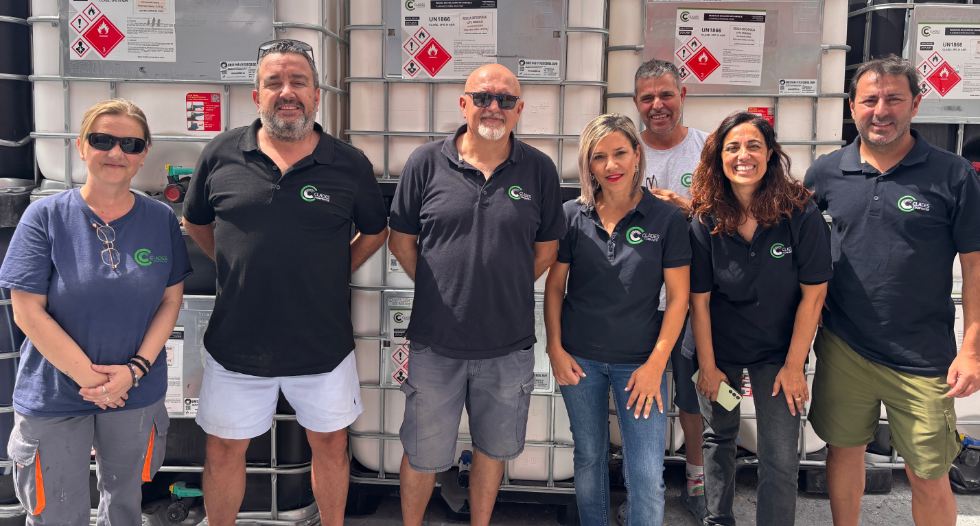
CLADES COMPOSITES STRENGTHENS THE TRAINING OF ITS TECHNICAL SALES TEAM IN EPOXY RESIN MOULD MANUFACTURING
On 15 and 16 July, part of the Clades Composites technical sales team took part in a new training session focused on the manufacture of moulds using epoxy resin.
This training forms part of the company’s internal continuous training programme, which is designed to expand and update the team’s knowledge of new products, application systems and manufacturing processes.
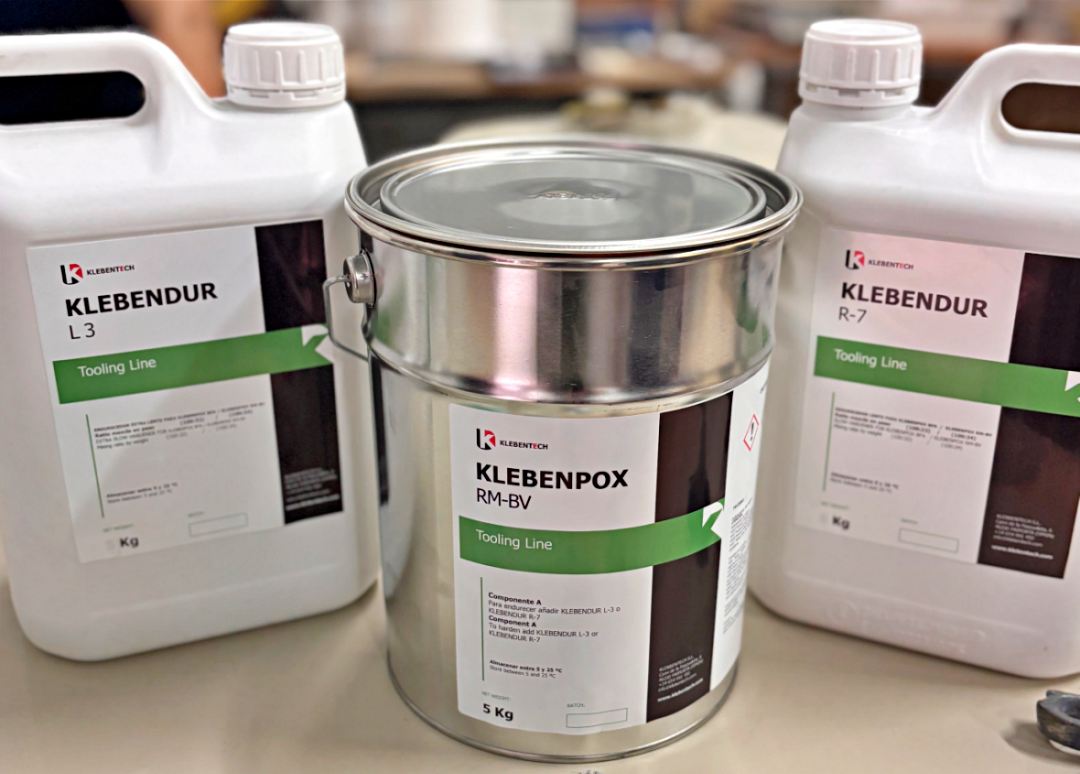
During the course, new Klebentech product references specifically developed for the mould manufacturing sector and recently launched on the market were presented and used. This gave the team the opportunity to gain practical knowledge of their characteristics, behaviour and advantages throughout the different stages of the process.
Through initiatives of this kind, the technical sales team gains first-hand knowledge of the actual behaviour of the materials, develops a better understanding of the variables that influence each application and can provide more precise advice tailored to the needs of each customer.
Practical training covering the complete manufacturing process
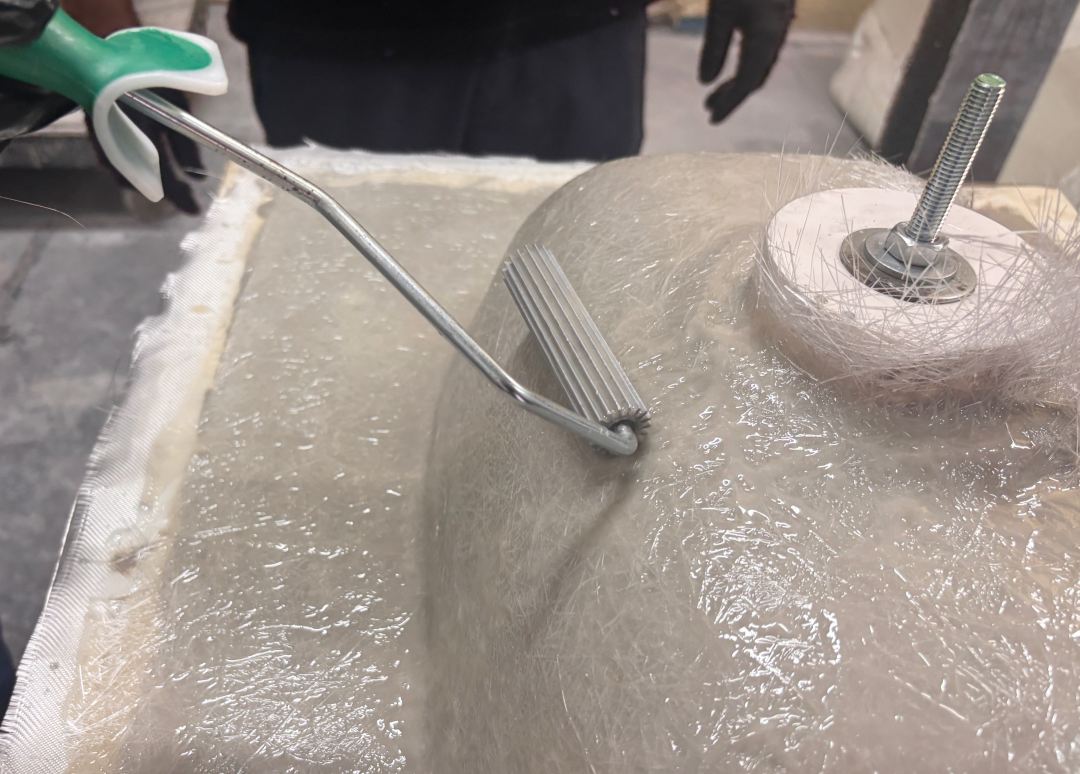
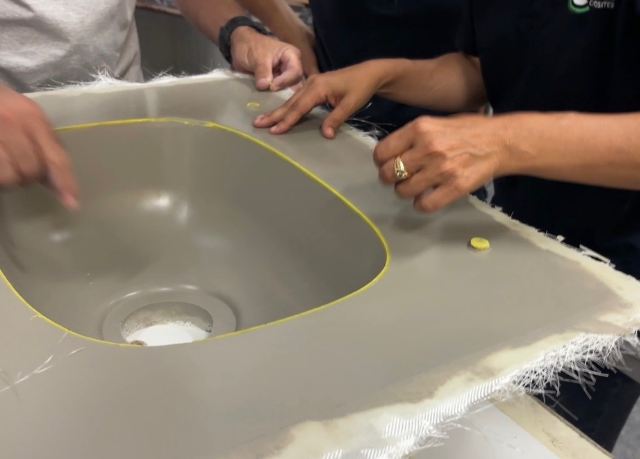
Over the two days, the complete process of manufacturing an epoxy resin mould was carried out, from the application of the first layer and the successive lamination stages through to curing and final demoulding.
The course had a practical approach and covered a range of technical aspects related to the process, including:
- Working temperatures.
- Application and curing times.
- The required number of layers.
- The lamination sequence.
- Monitoring each stage of the process.
- The appropriate conditions for final demoulding.
The training made it possible to analyse not only the characteristics of the epoxy resin used, but also its behaviour throughout the entire manufacturing process.
A rigid, resistant and lighter mould
The final result was a rigid, high-hardness mould that was considerably lighter than moulds manufactured using conventional systems or materials.
This reduction in weight makes the mould easier to handle and can help improve efficiency both during the manufacturing process and in its subsequent use.
In addition, epoxy systems make it possible to produce moulds with good mechanical performance, stability and resistance, all of which are particularly relevant characteristics for technical applications within the composites industry.
Greater efficiency in time, materials and costs
One of the main aspects analysed during the training was the optimisation of the resources required to manufacture the mould.
The correct selection of the system, temperature control, adjustment of curing times and an appropriate lamination sequence make it possible to reduce working times and optimise the quantity of materials used.
All of this can lead to greater cost efficiency, both by reducing the time required for manufacturing and by making better use of materials.
The main advantages of the system include:
- Shorter manufacturing times.
- Optimised material consumption.
- Greater cost control.
- Lighter and easier-to-handle moulds.
- Improved productivity.
- Greater technical control of the process.
Continuous training to provide better technical advice
With this new training initiative, the company continues to strengthen the specialisation of its technical sales team and its practical knowledge of materials, their applications and the different manufacturing processes.
Continuous training forms part of Clades Composites’ commitment to innovation, technical improvement and the development of solutions adapted to the specific requirements of each project.
This knowledge allows the company to support customers in material selection, process optimisation and the choice of the most suitable systems for each application.