

Lightweight filler and polyester resin manufactures.
Currently, the mineral fillers used in polymeric materials produce materials with very high weight, with densities between 1,800-2,300 kg/m3, which complicates their handling, increases transport costs and contributes negatively to the carbon footprint. In addition, the high weight limits the size and shape of certain parts and complicates their anchoring and handling.
The current trend in the casting materials market is to reach densities below 1.40 g/ml, reaching materials of 0.9 g/ml, a density lower than water.
With lightweight fillers, different densities can be achieved depending on the requirements of the final product. A composite material can be obtained that, while being lightweight, can have sufficient mechanical characteristics to be used for construction purposes. Materials manufactured with our light-weight fillers also improve thermal and acoustic insulation.
The choice of raw materials in the manufacture of light-weight fillers is very important, as many of the natural or synthetic products on the market are very fragile and consequently reduce the physical-mechanical properties of the final product. For this reason, at Clades Composites we formulate with specific fillers, meeting the highest quality standards.
The main difference between BP fillers and other light-density materials is based on the coating of the fillers. These coatings generate a variation in the physicochemical interaction between filler and resin, different from that which these fillers would have without being coated. These new interactions between the components of the possible formulations cause a decrease in the final density of the products, compared to identical formulas without the fillers being treated with these coatings. The decrease in this density is due to the variation in the intermolecular interactions between the coated fillers and the thermosetting resins, without affecting their mechanical characteristics with respect to other products known and used in the sector, that is, it includes resistant values suitable for use in sanitary or construction.
The raw materials used in the manufacture of BP fillers are formulated with 100% recycled materials as certified by our suppliers, and are free of crystalline silica.
Lightweight fillers are suitable for all types of processes, both continuous, in which the mixture is produced continuously in a mixing screw, and pre-mixing in batch and feeding with injection equipment or manual pouring.
With light fillers, productivity increases of around 20% are achieved in continuous mixing processes.
BP materials are supplied in big bags of different weights, as well as in bulk tankers, both in Spain and internationally.
BP fillers can be supplied formulated to meet the final material requirement, only in combination with the appropriate polyester resin and in the proportions recommended by our technicians. Thus, with the light weight filler: BP-120 in the appropriate resin/filler proportions we will achieve average densities of 1.2 g/ml.
With the BP versions, given the reduced weight of the materials, in many cases we achieve savings in the consumption of raw materials, which allows improvements the competitiveness of the material. Also, we must add the reduction in transport and the increase in productivity depending on the production system used.
We also have a BP concentrated version, specially designed for long-distance deliveries, and which, in combination with low-cost local fillers, which must first be tested in our laboratory, can achieve the desired performance while reducing transport costs and the carbon footprint of the material.
BP materials are used to manufacture all types of products such as:
- Shower trays
- Countertops
- Bathtubs
- Ventilated facade
- Balustrades
- Decorative elements
- Tiles
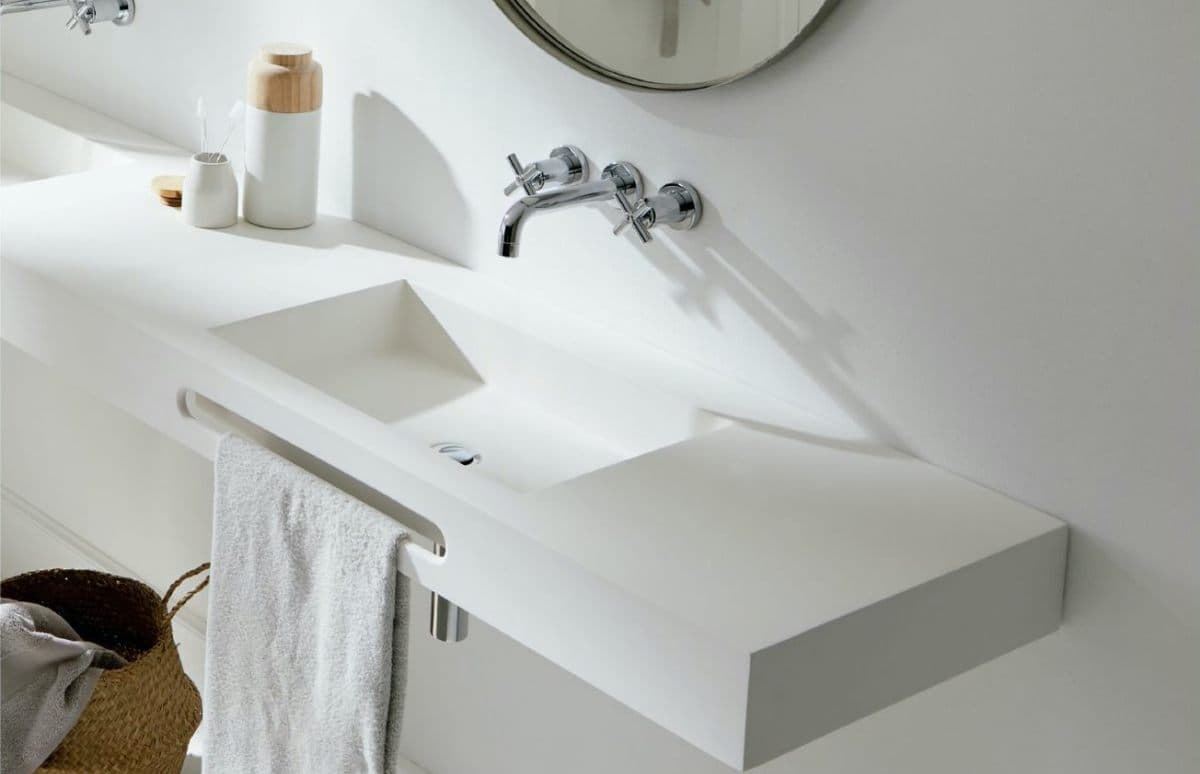
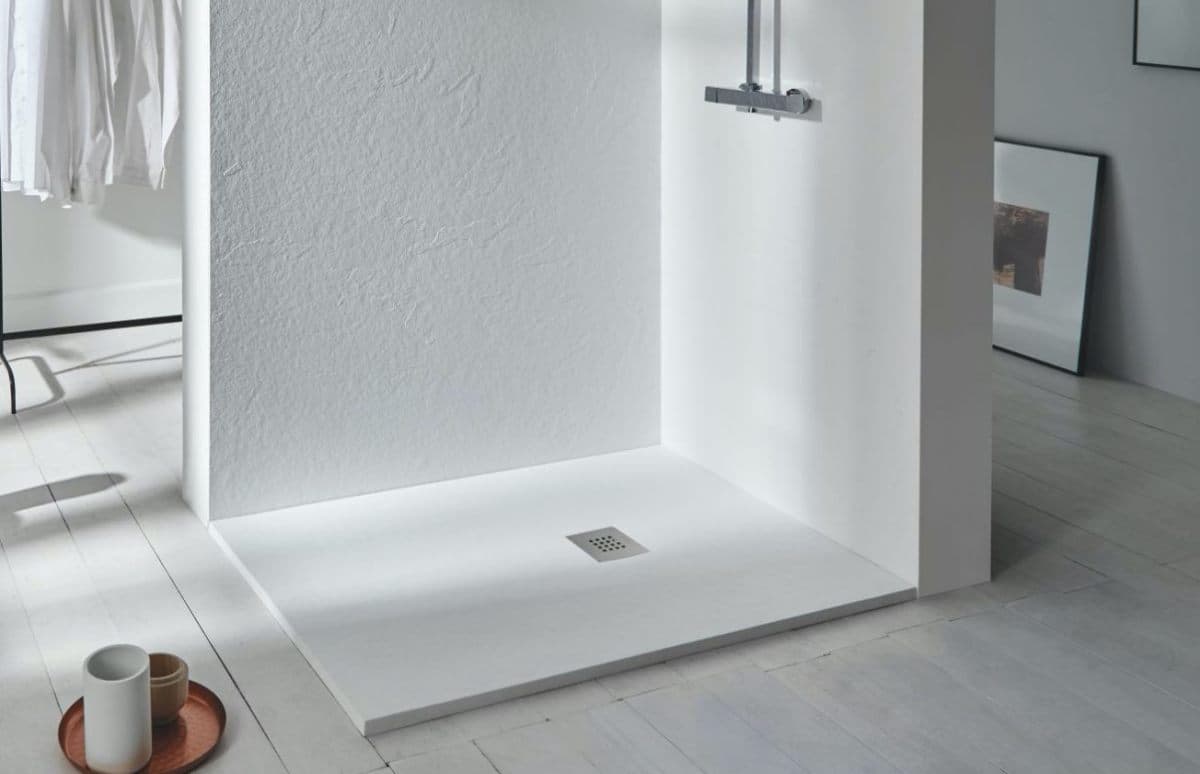
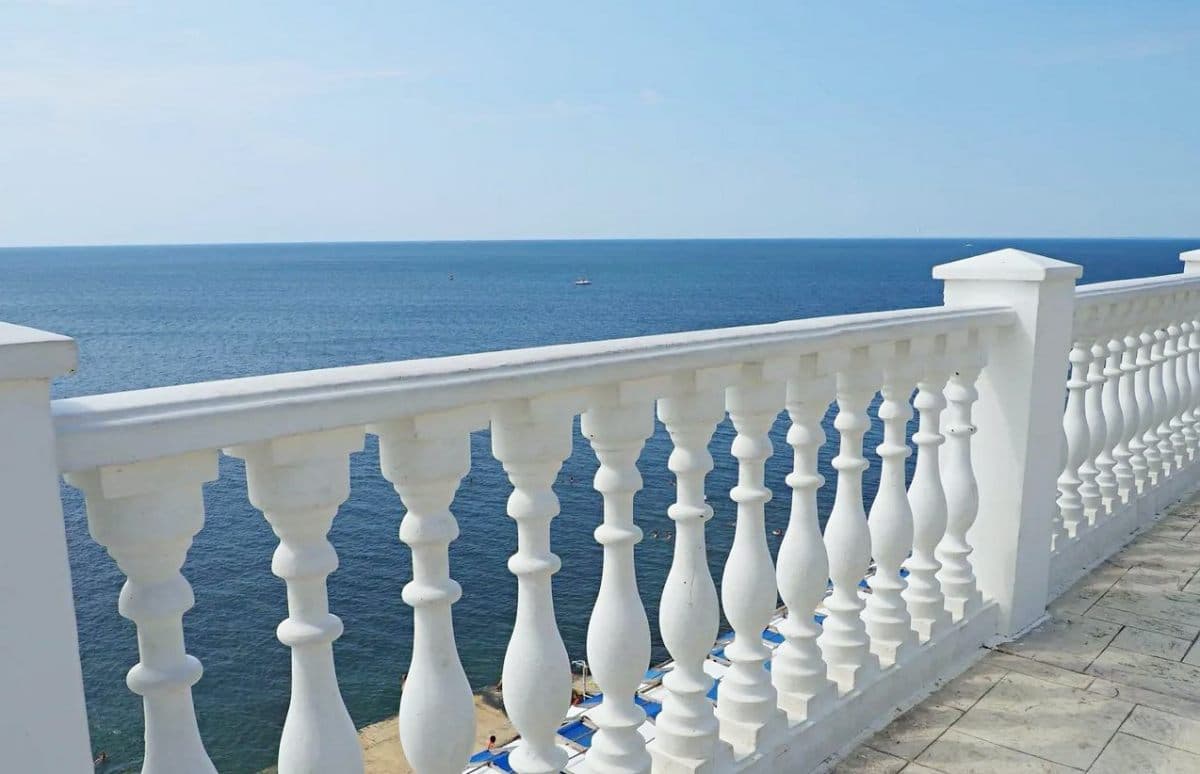
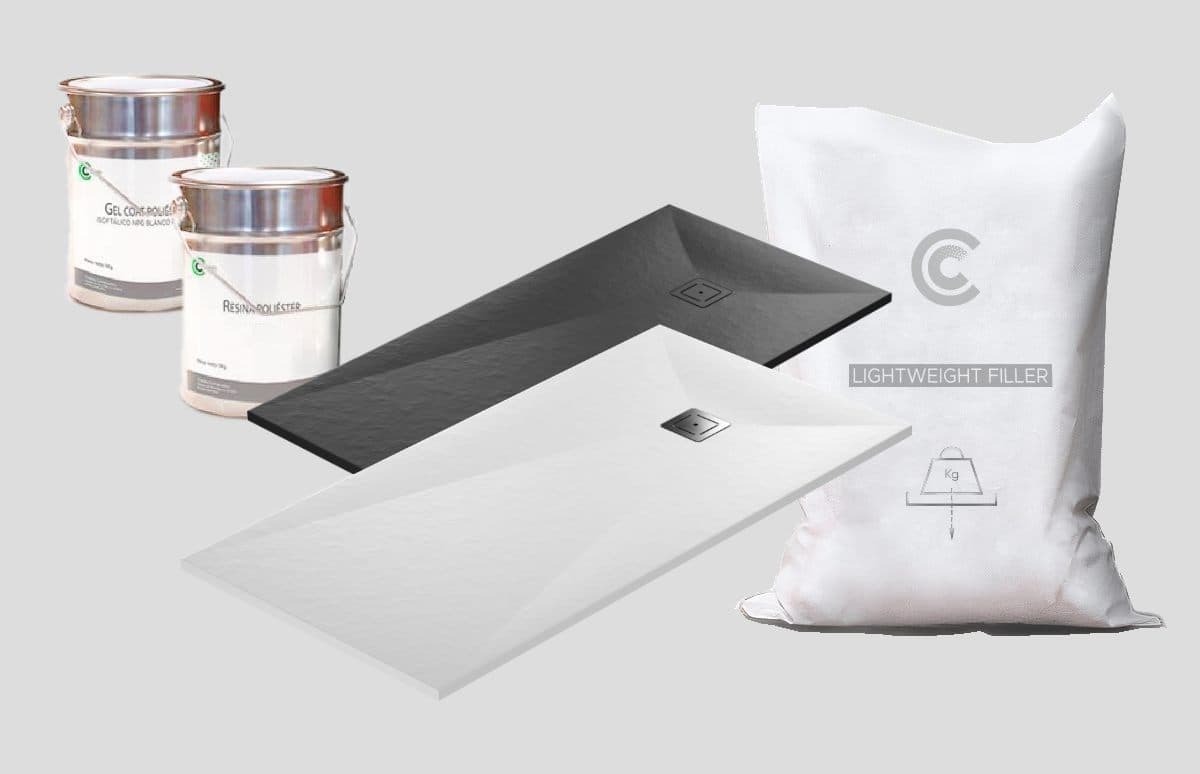
Another important aspect is the resins, usually polyester. The choice of resin is so important, for several reasons:
- It must be suitable for the performance of the final product: not all resins are suitable for all applications.
- It is important to control the exothermic peak of the resins, to control possible tensions in the parts and loss of dimensional stability, respecting production times.
- Clades Composites has resins suitable for a multitude of production processes and that adapt to the requirements of our clients.
For decorative aspects of the materials, we have the best Gel Coat on the market, with:
- Different colors
- High scratch resistance
- Good UV resistance
- Excellent performance
At Clades Composites we manufacture and/or distribute lightweight fillers, the resins and the necessary additives for them such as hardener (peroxide) and promoters as cobalt octoate.